
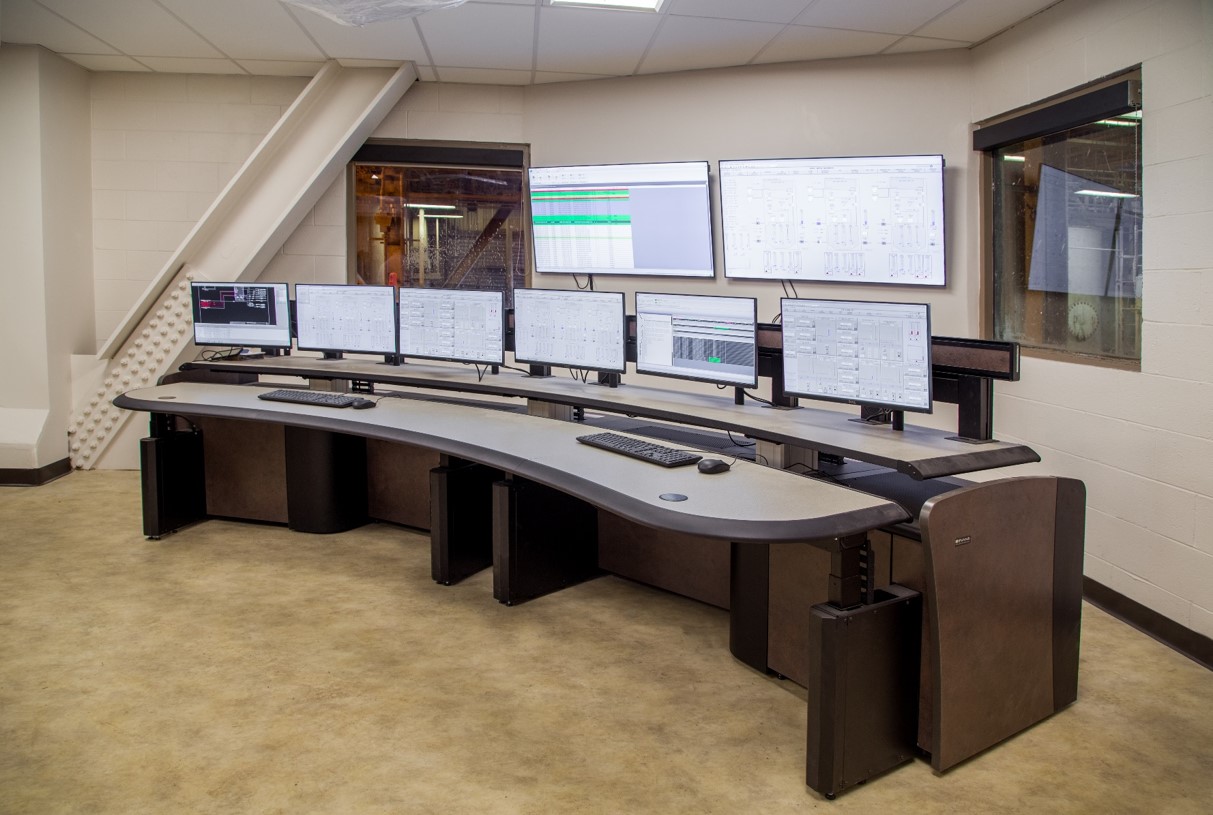
For many years industry has been focusing on the location of the control room, whether to remove this critical function out of hazardous areas or to centralize control in a single facility. The relocated control room typically only houses the console operators, leaving the field operators behind. So, what do the field operators get? control building is turned into a field shelter – but is this OK?
Field operations have a very different set of duties than control room operations. This may include:
- Administrative Work
- Shift Handover
- Rounds
- Permitting
- Lock out/tag out
- Minor Maintenance
- Testing
- Housekeeping
- Training
Therefore, a building that may have been set up to house console operators, supervision, and management may not be ideal for field operations.
At the most basic level, the field shelter must provide safe and comfortable accommodation for the operators and support their activities.
Safety should be a given, but if the building was deemed unsafe for the console operators is it fair to say it is safe for field operators. Are they at risk from a loss of containment event or adverse weather conditions?
Comfortable? Well, these positions have to work under all conditions, including potentially extreme weather conditions, so they need a place to cool down or warm up. They also need to take breaks and have easy access to restroom facilities. This area should be clean and have basic equipment such as drinking water, coffee/tea-making equipment, a fridge, and a microwave.
Concerning the activities they perform; the design of the field shelter should be based on a proper task analysis. For example, if the field operators are responsible for permitting and locking out/tag out, they may need a computer with access to the permit to work locking out/tag out, they may need a computer with access to the permit-to-work system, and a printer to print out permits or job safety assessments.
They may also need access to a system that can generate lock-out procedures and drawings. They will almost certainly need somewhere to store lock boxes and locks. They may also need to see control system information, so they may need a DCS workstation, potentially read-only. However, procedures may require the field operator to assume control when the control room operator is away from the console, needs help, or the control room is compromised.
It is important not to forget that moving the console operator out of the local control room also leads to a change in the way the operations team communicates. So, whether this requires additional radios, telephones or even smart boards the design has to incorporate these facilities.
In summary it is essential to ensure that field operators have an appropriate control room. Although the ISO 11064 standard deals primarily with control rooms, the approach can be applied equally to field shelters.
I would also comment on the loss of expertise so often used to train new console and field operators, as console operators deal with unusual, abnormal events on a daily basis).
If you need more information or help in the design of your field shelter, give UCDS a call at
512-630-3401.


