
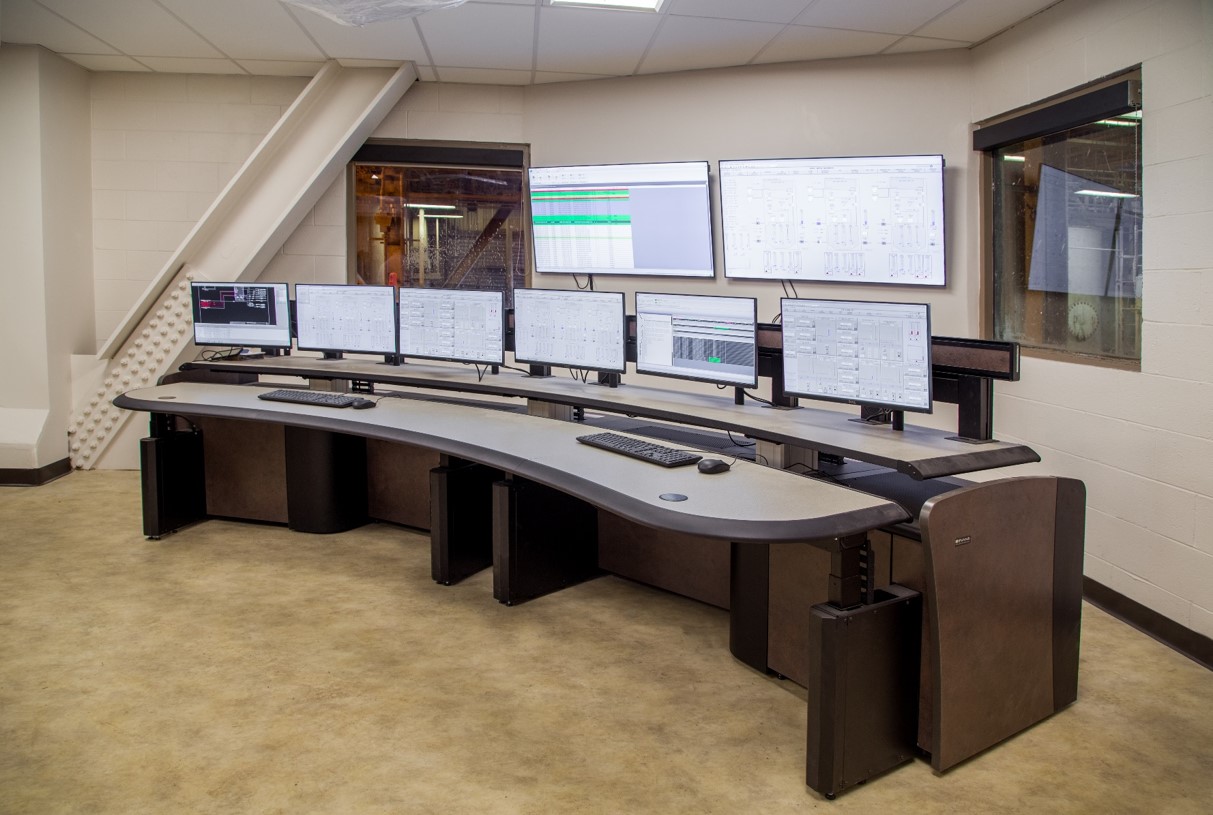
Alarm management is a critical part of any control room operation. As systems grow more complex, operators often face alarm floods, redundant notifications, and unclear priorities that slow response times and create unnecessary stress. By integrating workflow automation into alarm management strategies, control rooms can reduce noise, improve clarity, and boost overall efficiency.
The Problem with Traditional Alarm Handling
In many facilities, alarm systems rely heavily on static thresholds and manual operator intervention. This often leads to:
- High alarm volumes that overwhelm staff
- Missed or ignored alarms due to desensitization
- Delays in identifying and responding to critical issues
Without a structured, automated approach, operators must sort through dozens, or even hundreds of alerts in real time. This reactive model increases the risk of human error and can compromise safety and system performance.
How Workflow Automation Enhances Alarm Management
Workflow automation brings structure and intelligence to the alarm management process. By predefining logical steps based on alarm type, source, or severity, systems can guide operators through appropriate responses while filtering out irrelevant or low-priority alerts.
Key benefits include:
- Alarm Routing: Directs specific alarms to appropriate personnel or departments
- Escalation Protocols: Ensures unresolved alarms trigger follow-up actions
- Acknowledgment Requirements: Verifies operator responses and closes the loop
- Integrated Procedures: Links alarms to standard operating procedures or maintenance tasks
These automated steps reduce mental load, prevent oversight, and help operators make faster, more consistent decisions.
Reducing Alarm Fatigue with Intelligent Filtering
One of the most powerful advantages of automation is its ability to recognize patterns and suppress nuisance alarms. When combined with analytics, workflow systems can:
- Suppress repeat or redundant alerts
- Recognize process states that require adjusted alarm thresholds
- Temporarily disable alarms during maintenance or known conditions
This level of intelligent filtering allows operators to focus on alarms that truly require attention, reducing fatigue and improving overall awareness.
Building a Smarter, Safer Control Room
Alarm management should never be about reacting in the moment. With workflow automation, it becomes a proactive, intelligent system that enhances both safety and performance. Designing with automation in mind ensures:
- Consistent operator responses
- Faster incident resolution
- Greater compliance with alarm philosophy standards
Ready to streamline your alarm handling? Contact UCDS today to learn how workflow automation can transform your control room operations.


