
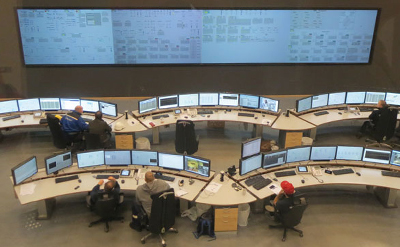
Alarm Management is one of those “never goes away” situations that many engineers wish would “just go away.” Most struggle with resources, time, and support to get the system tuned to a manageable state that can easily be maintained. Another major issue is return on investment. Preventing a shut down during an upset seems easy enough to calculate, however, the alarm system does not often get credit for helping the operator. In fact, the alarm system is often overlooked in two ways; it does not get the credit for improving operator performance and it does not get the attention required to measure and fix it. I think it is a fair statement to say that most, if not all process improvement projects have included the alarm system in one way or another. Alarms get reviewed, removed, put back, or changed as part of an improvement initiative. Little or no major process events point back to the improvements showing the success of the methods that were used in the past.
Although everyone agrees that the alarm system does help the operators, most systems do not function at a high-performance level. Time and money are not on the alarm systems side. Industry professionals, like us, User Centered Design Services, and others have had to develop better ways to improve the alarm system with very little burden on the engineers, managers, and operators. A method that saves time and money is called Static Alarm Rationalization. It is one of the most efficient and cost-effective ways to make major improvements to the system with very little burden on the personnel side, because the assessment is performed offsite by experts in process control, automation, and alarm handling. It is broken down into 6 steps:
- Assessment and Data Collection: This initial phase involves gathering existing data on alarms, including alarm frequency, response times, and operator feedback.
- Alarm Analysis: The collected data is analyzed to identify alarm patterns, trends, and inefficiencies. This analysis may reveal alarms that are excessive, nuisance, or ineffective, allowing the team to classify and prioritize alarms based on their relevance and importance.
- Rationalization Process: We then use a structured rationalization process, which typically includes criteria for identifying alarms that can be removed, consolidated, or modified. This process helps in reducing the number of alarms while maintaining safety and operational efficiency.
- Implementation of Changes: After rationalization, the team supports the implementation of recommended changes to the alarm system, including updating settings, modifying alarm thresholds, and reclassifying alarms.
- Training and Knowledge Transfer: To ensure sustained success, we provide training to operators and staff on the new alarm management protocols and best practices. This helps in building a culture of effective alarm management.
- Monitoring and Continuous Improvement: The final step involves establishing a continuous monitoring process to evaluate the effectiveness of the rationalized alarm system and making further adjustments as necessary.
Think of it this way: You pack up the alarm data, send it to the laundry mat, and a month or two later you receive a major improvement in alarm response as the operators grow to trust the system. This can be a one-time overhaul or scheduled as a yearly maintenance program.
Contact User Centered Design Services today to set up a call to learn how alarm rationalization can help your business succeed. Visit www.mycontrolroom.com or call Steve Maddox at (512) 630-3401.


