
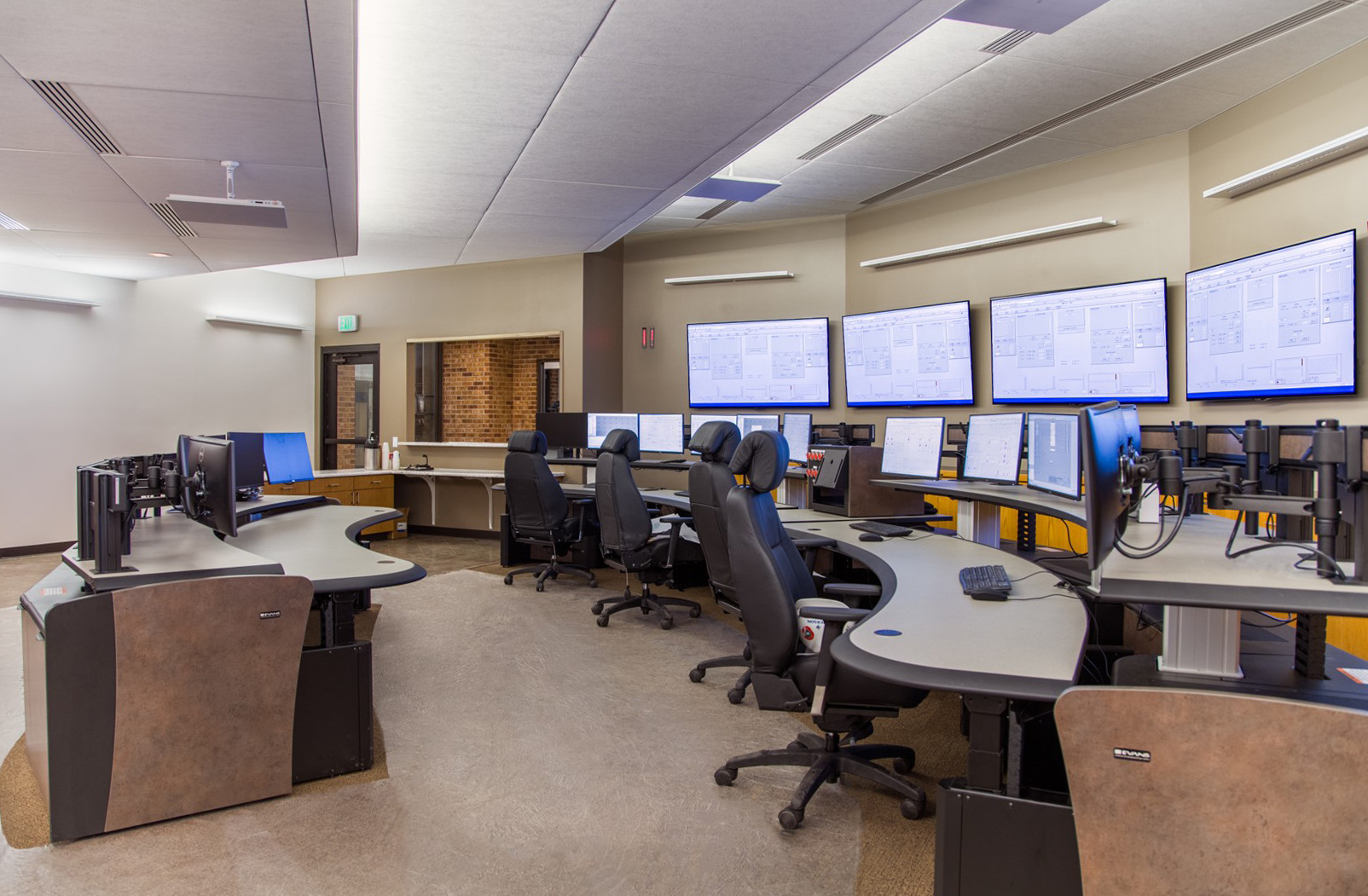
Control room design has a profound impact on the well-being of the operators who work within these environments. Given the high-pressure and demanding nature of control room operations, creating a space that supports physical and mental health is essential. Thoughtful design can enhance focus, reduce stress, and promote overall job satisfaction.
The Connection Between Design and Well-being
Control rooms are often staffed 24/7, requiring operators to remain alert and engaged for extended periods. Poorly designed workspaces can lead to physical discomfort, fatigue, and even burnout. By addressing factors such as ergonomics, lighting, and noise, organizations can create environments that support employee health and productivity.
- Ergonomics: Adjustable desks, chairs, and monitors reduce strain and improve comfort during long shifts.
- Lighting: Proper lighting minimizes eye strain and supports natural circadian rhythms, which is critical for those working overnight.
- Noise Control: Acoustic treatments reduce background noise, fostering concentration and minimizing distractions.
Key Elements of a Well-Designed Control Room
- Ergonomic Workstations A well-designed workstation is at the heart of operator well-being. Adjustable furniture allows individuals to customize their setup, ensuring proper posture and reducing the risk of repetitive strain injuries. Dual monitor setups positioned at eye level further enhance comfort and efficiency.
- Optimized Lighting Control rooms should feature a combination of natural and artificial lighting. Adjustable, low-glare lighting systems create a comfortable ambiance while preventing eye strain. Incorporating circadian lighting systems can mimic natural daylight, promoting alertness during shifts.
- Temperature and Air Quality Maintaining a consistent, comfortable temperature and ensuring proper ventilation are essential for operator comfort. Advanced HVAC systems with air filtration improve air quality, reducing fatigue and improving overall health.
- Break Areas Dedicated spaces for rest and relaxation allow operators to recharge during breaks. These areas should be quiet, comfortable, and separate from the main control room to provide a true respite.
Benefits of Prioritizing Employee Well-being
Investing in control room design with a focus on well-being leads to numerous benefits, including:
- Improved Productivity: Comfortable and healthy employees are more focused and efficient.
- Reduced Absenteeism: A supportive work environment helps prevent health-related absences.
- Enhanced Retention: Employees are more likely to remain in roles where their well-being is valued.
Designing for the Future
As control room technology evolves, so too should the approach to workplace design. Emerging trends include:
- Biophilic Design: Incorporating natural elements, such as plants and natural materials, to reduce stress and enhance mood.
- Wearable Technology: Devices that monitor health metrics can help operators manage stress and maintain focus.
- Dynamic Workspaces: Flexible layouts that adapt to changing operational needs and employee preferences.
Control room design plays a critical role in enhancing employee well-being, which directly impacts operational success. By prioritizing ergonomic workstations, optimized lighting, and comfortable environments, organizations can create spaces where employees thrive. As technology and design trends evolve, continuous investment in employee-centric control room design will ensure a healthier, happier, and more productive workforce.
UCDS specializes in creating control room environments that prioritize operator well-being through ergonomic design, optimized lighting, and innovative solutions. With our expertise, we can help you develop a workspace that supports productivity, reduces stress, and enhances employee satisfaction. Contact us today to learn how we can assist in designing a control room that promotes both health and operational success!


