
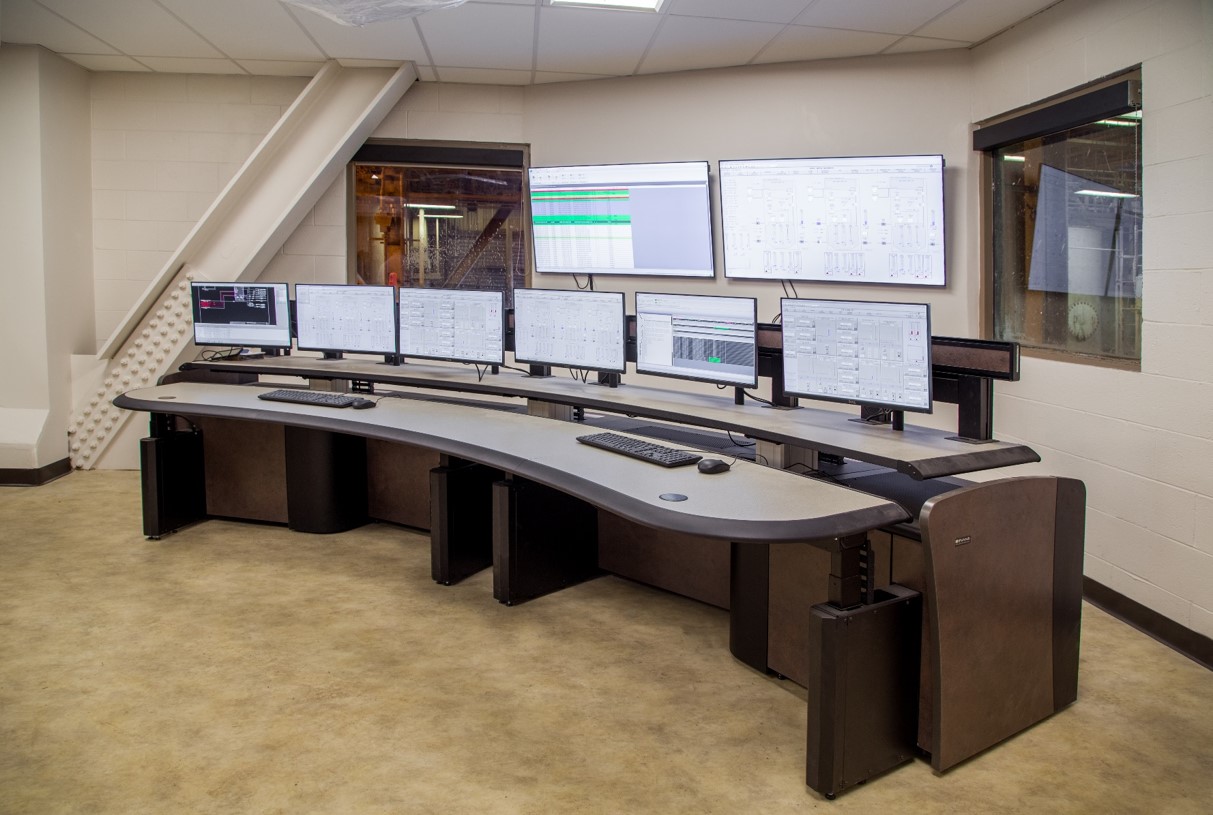
Remote control room operations are becoming increasingly common as organizations seek flexibility, cost savings, and greater access to talent. However, moving from a traditional on-site model to remote operations introduces unique challenges that require thoughtful planning and design. Addressing these challenges with targeted solutions ensures that remote operations remain safe, efficient, and effective.
The Rise of Remote Operations
Advancements in networking, cloud computing, and secure communications have made it possible for operators to manage systems from virtually anywhere. This shift offers benefits such as reduced overhead, increased resiliency, and the ability to recruit skilled staff regardless of location. At the same time, it creates a need for stronger safeguards and new approaches to maintaining situational awareness.
Challenges of Remote Control Room Operations
Organizations face several hurdles when transitioning to remote operations. Security risks increase as sensitive data is transmitted across networks. Operators may experience reduced collaboration without the immediate presence of colleagues. There is also the potential for connectivity issues, which can impact response times during critical events.
Ergonomic considerations present another challenge. Home or satellite setups may lack the same level of ergonomic design as centralized control rooms, potentially affecting operator comfort and performance.
Solutions for Effective Remote Operations
Overcoming these challenges requires a combination of technology, training, and process adjustments. Key solutions include:
- Enhanced Cybersecurity: Implementing robust firewalls, encryption, and multi-factor authentication to protect data.
- Collaboration Tools: Using video conferencing, secure messaging, and shared dashboards to maintain strong team communication.
- Reliable Connectivity: Establishing redundant network connections to minimize downtime and ensure uninterrupted access.
- Ergonomic Design: Providing operators with equipment and guidance for creating comfortable, efficient home or remote workstations.
- Training and Support: Preparing operators with training on remote protocols and offering ongoing IT support.
Long-Term Considerations
Remote control room operations are not just a temporary solution. They represent a growing trend in how organizations manage critical infrastructure. Building resilience into remote systems, continuously monitoring for security threats, and regularly updating training are all essential for long-term success.
Creating Secure and Effective Remote Operations
By understanding the challenges and implementing targeted solutions, organizations can successfully transition to remote control room operations. This approach ensures operational continuity, protects sensitive data, and supports operators no matter where they are located.
Interested in exploring remote control room strategies for your organization? UCDS can help design secure and efficient solutions tailored to your needs.


