
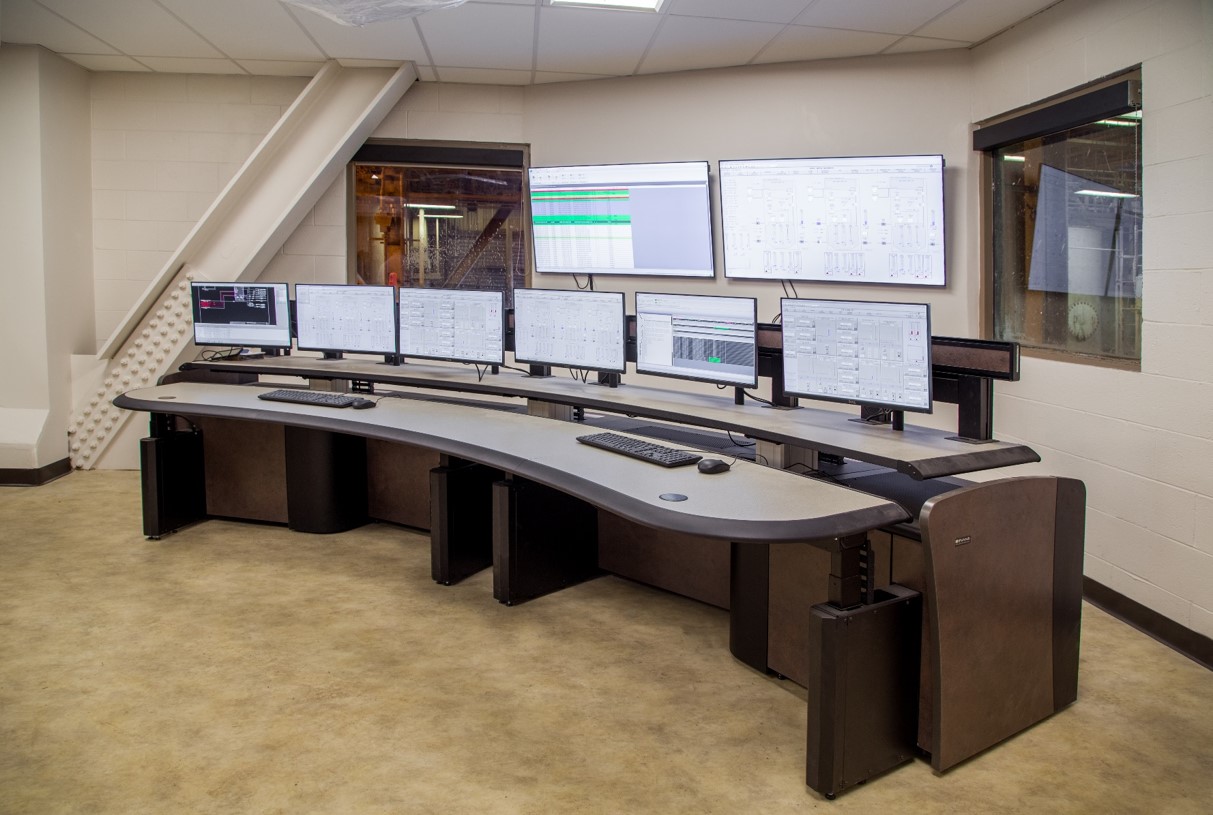
Control rooms are evolving rapidly as technology continues to shape the way operators interact with complex systems. Among the most promising advancements is cognitive computing, which blends artificial intelligence, machine learning, and data analytics to support and enhance human decision-making. Rather than replacing operators, cognitive computing empowers them to make faster, more accurate decisions in high-pressure environments.
What Is Cognitive Computing?
Cognitive computing systems mimic human thought processes by analyzing vast amounts of data, recognizing patterns, and learning over time. Unlike traditional automation, these systems can interpret context, manage uncertainty, and adapt to new information, all critical traits in a control room setting where real-time decisions are essential.
Supporting Human Judgment
Operators manage a wide range of data points, alarms, and system behaviors throughout their shifts. Cognitive computing enhances their capabilities by:
- Filtering and prioritizing information based on relevance and urgency
- Detecting anomalies that might be missed in manual monitoring
- Providing actionable insights that guide next steps or responses
These tools act as intelligent assistants, helping operators maintain situational awareness and reduce cognitive overload.
Real-World Applications in Control Rooms
Cognitive systems are already being used to improve decision-making in several areas:
- Alarm Management: By analyzing alarm patterns and operator response times, systems can reduce alarm floods and highlight critical alerts.
- Predictive Maintenance: Learning from equipment behavior, these tools suggest proactive actions before failures occur.
- Process Optimization: Cognitive platforms evaluate ongoing system performance and recommend efficiency improvements.
In each case, human operators remain in control, using AI-driven recommendations to inform their actions without relying solely on automation.
Creating a Collaborative Environment
The most successful control rooms of the future will integrate human expertise with machine intelligence. Designing systems that support collaboration between operators and cognitive tools ensures that:
- Operators stay engaged and empowered
- Trust in AI-generated insights continues to grow
- Decision-making becomes faster, more consistent, and data-driven
This partnership doesn’t eliminate the need for skilled operators, it enhances their role.
Empower Your Team with Smarter Technology
Cognitive computing brings a new layer of intelligence to control room operations. By augmenting human decision-making, it strengthens performance, safety, and adaptability in increasingly complex environments.
Interested in implementing cognitive tools into your control room? Contact UCDS today to explore solutions that elevate decision-making and enhance operator effectiveness.


